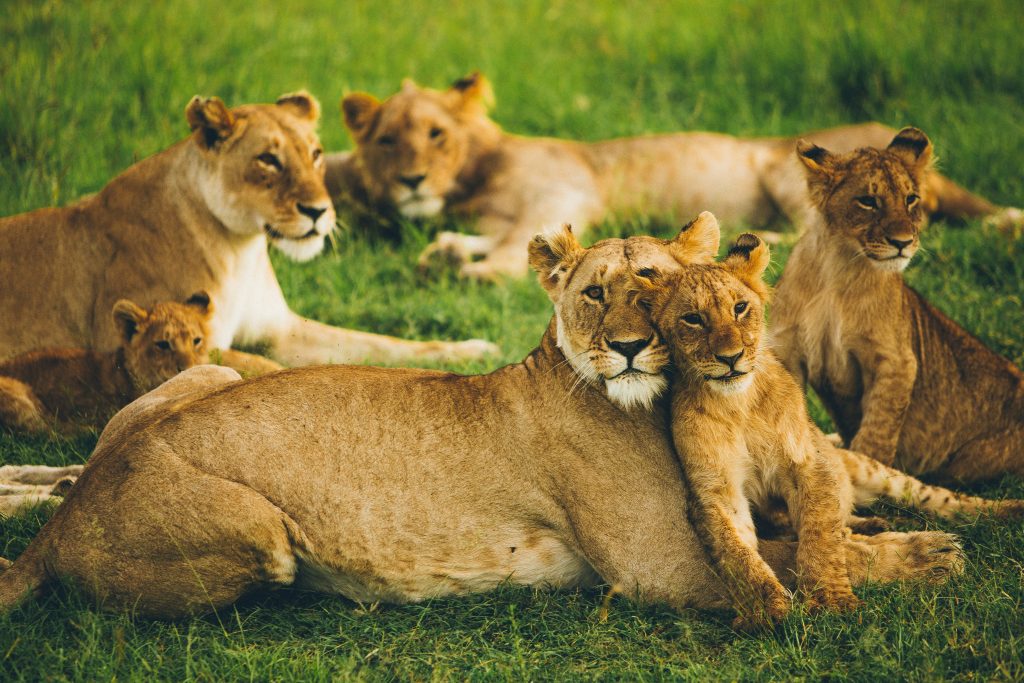
The phrase “king of the jungle” most commonly refers to lions. While the term is not a scientific classification, it’s widely used due to lions’ majestic appearance, their role as apex predators, and their social structures. This cultural association with strength, power, and leadership has solidified the lion’s place as the “king”.
Here’s why the lion is often called the “king of the jungle”:
Appearance:
Lions, particularly males, have impressive manes and a powerful presence, giving them a regal air.
Social Structure:
Lions live in prides, with a clear hierarchy and a strong sense of leadership, reinforcing the “king” imagery.
Hunting and Apex Predator Status:
Lions are highly effective hunters and occupy the top of the food chain in their ecosystems.
Cultural Significance:
Lions have been revered as symbols of strength, power, and courage in many cultures throughout history.
Historical Context:
The term “jungle” itself has evolved over time, but it was likely associated with the open grasslands and savannas where lions are found, particularly in India.
While the term is not a scientific designation, it reflects the lion’s position as a dominant and awe-inspiring creature in the natural world.
 admin.sujeet